Best Steps After Ceiling Water Damage in Florida
- Darwin Umanzor
- 15 hours ago
- 5 min read

A ceiling stain can turn into a collapsed section of drywall with very little warning. The best steps after ceiling water damage are not just about drying what you can see. They are about protecting your family, stopping further loss, and creating the proof your insurance claim may need.
Water can travel far from the original leak. A roof opening, failed plumbing line, overflowing appliance, or storm-driven rain may leave damage inside insulation, framing, electrical areas, walls, and flooring long before it becomes visible. Move quickly, but do not let the pressure of the moment cause you to throw away evidence or accept a quick answer that ignores the full scope of damage.
Best Steps After Ceiling Water Damage: Start With Safety
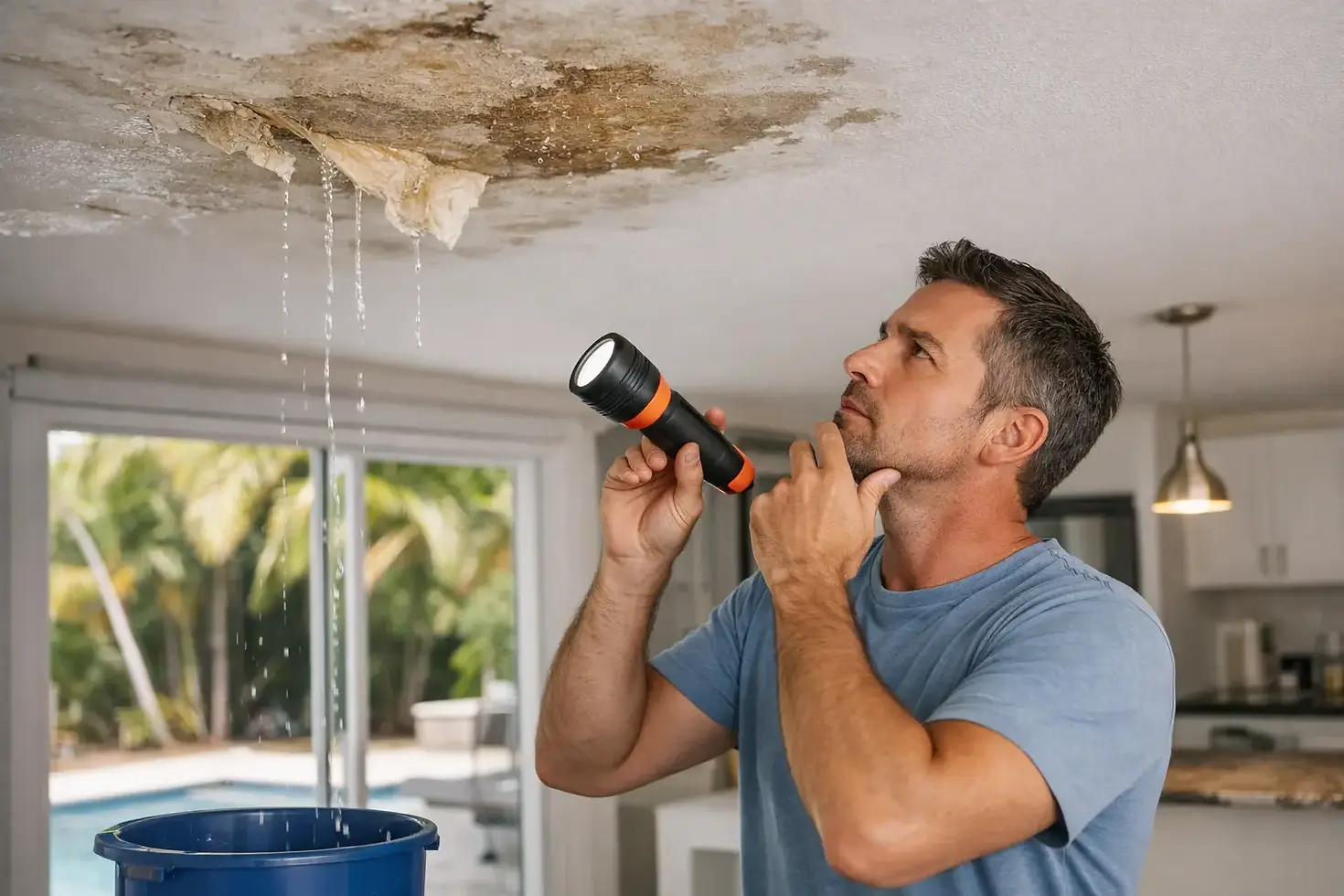
Do not stand beneath a ceiling that is sagging, bubbling, cracked, or actively dripping. Water adds significant weight to drywall, and a weakened ceiling can fall without much notice. Keep children, pets, and belongings away from the affected area.
If water is near a light fixture, outlet, ceiling fan, or electrical panel, avoid touching it. Turn off electricity to the affected area only if you can do so safely from a dry location. If there is any doubt, contact a qualified electrician or emergency professional. Safety comes before property.
If water is spreading quickly, place buckets under active drips if it is safe to do so. Move furniture, rugs, electronics, artwork, and other valuables out of the area. Do not place them in another damp room or against a wall that may also be wet.
Stop the Water Source When Possible
The right response depends on where the water is coming from. If a supply line, toilet, appliance hose, or other plumbing source is leaking, shut off the local water valve or the home’s main water supply. If the damage began during a storm, use safe temporary measures to reduce additional intrusion, such as a tarp or emergency roof protection.
Do not climb onto a wet roof, especially after a hurricane or severe wind event. Florida roofs can be slippery, unstable, and concealed by debris. A temporary repair should prevent further damage, not put you in danger or hide the condition that caused the loss.
Keep receipts for every reasonable emergency expense. That includes tarping, water extraction, dehumidifiers, plumbing repairs, temporary lodging, and moving or storage costs when applicable. These records can matter when the claim is evaluated.
Document Before Cleanup Changes the Story
Insurance companies evaluate what can be proven. Take wide photos and videos of the room, then capture close-ups of stains, drips, ceiling bubbles, peeling paint, damaged contents, wet flooring, and the suspected source of the water. Record the date and time if your phone does not do so automatically.
Photograph the exterior too when it is relevant. For example, after a storm, document missing shingles, lifted flashing, roof debris, damaged vents, or water entry points from the outside if they can be seen safely from the ground.
Write down a simple timeline while the details are fresh. Include when you first noticed the issue, the weather conditions, any sounds you heard, the steps taken to stop the water, and every person or company you contacted. If a neighbor, plumber, roofer, or restoration company saw the damage, note that as well.
Avoid throwing away damaged materials immediately. Pieces of wet drywall, insulation, flooring, or personal property may help establish the cause and extent of loss. If removal is necessary for safety or drying, photograph and inventory the materials first.
Mitigate Damage Without Covering It Up
Florida homeowners have a responsibility to take reasonable steps to prevent additional damage after a loss. That usually means removing standing water, improving airflow, beginning drying, and arranging emergency protection. It does not mean rushing into major demolition or permanent repairs before the damage has been properly documented.
Use fans and dehumidifiers only when electrical conditions are safe. Wet insulation and drywall often need professional moisture testing because surfaces can feel dry while water remains trapped behind them. Hidden moisture creates the conditions for mold growth, wood deterioration, and a much larger repair bill.
Be careful with emergency vendors who push for broad work authorizations before explaining the scope and cost. Emergency mitigation may be necessary, but you should understand what is being removed, why it is being removed, and how it will be documented. Ask for itemized invoices, moisture readings, photos, and reports.
Report the Claim Clearly and Promptly
Notify your insurance carrier as soon as you can. Keep the initial report factual: identify the date of loss, the water source if known, the rooms affected, and the emergency steps you took to prevent further damage. Do not guess at the cause if it has not been confirmed.
A ceiling leak is not always a simple plumbing repair. Storm damage may have opened a pathway through the roof. Long-term seepage, a failed pipe, an air-conditioning issue, or water entering from an adjacent unit can raise different coverage questions. The cause matters, and so does the evidence supporting it.
Ask for the claim number and keep it with your photos, receipts, estimates, correspondence, and notes. When an adjuster inspects the property, walk through every affected area. Point out stains, odors, warped materials, damp contents, and any rooms where water may have traveled.
Do not assume the visible ceiling patch is the entire claim. Water often runs along framing and collects in places that are not obvious during a quick inspection.
Understand What a Complete Ceiling Water Damage Claim Can Include
A fair evaluation should account for more than paint and drywall. Depending on the cause, policy language, and extent of damage, the loss may involve ceiling materials, insulation, wall finishes, flooring, cabinetry, electrical components, personal property, mold-related damage, emergency services, and necessary repairs to the source of intrusion.
The hardest part is often proving the full scope. An insurer may focus on the small area that is visibly stained, while moisture mapping or a thorough inspection reveals damage across a larger section of the home. This is where detailed documentation and a complete estimate become critical.
If your home has matching finishes, the practical repair issue can also be bigger than one damaged square of drywall. A partial repair may leave mismatched texture, paint, flooring, or other finishes. The appropriate scope depends on the materials, the condition of adjoining areas, and the terms of the policy.
Do Not Let a Quick Payment Close a Bigger Problem
A fast settlement can feel like relief when your ceiling is damaged and your home is disrupted. But before accepting a payment or signing a release, make sure the amount reflects the work needed to return the affected area to its pre-loss condition. Once repairs begin, hidden damage may become easier to see, not harder.
Read any estimate carefully. Look for missing line items such as insulation removal, antimicrobial treatment, moisture testing, drywall texture, paint preparation, content handling, or repairs to the underlying source. If the estimate does not match the damage in your home, ask questions before moving forward.
Denied, delayed, or underpaid water damage claims deserve a closer look. A carrier’s first assessment is not always the final word on what the loss should include.
Get Strong Claim Support Before the Damage Is Forgotten
When ceiling water damage affects your home, you should not have to manage drying crews, repair estimates, policy language, and insurance calls alone. Umanzor Claims helps Florida homeowners document property damage, analyze the policy, prepare the claim, and fight for the compensation needed to repair the home properly.
The sooner the loss is documented and inspected, the easier it is to preserve the facts. Take the next safe step today: protect the property, save the evidence, and make sure the damage behind the ceiling is not left out of the claim.


Comments