Florida Hurricane Claim Guide for Homeowners
- Darwin Umanzor
- Jun 25
- 6 min read

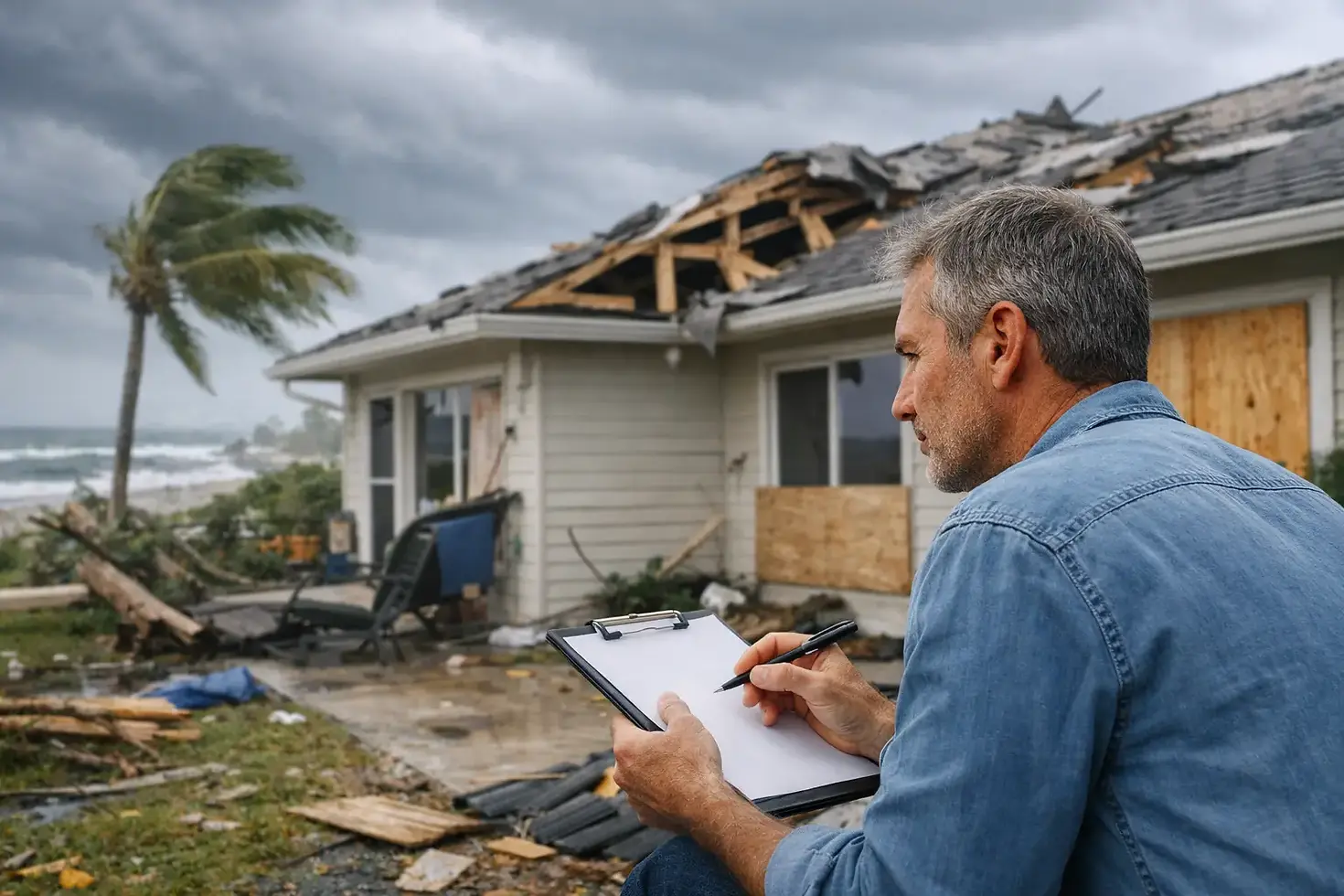
The hours after a hurricane are when claims are won or weakened. Roof leaks spread fast, wet drywall starts breaking down, and the insurance company begins building its version of the loss before most homeowners have even caught their breath. This Florida hurricane claim guide is built for that moment - when you need clear steps, strong documentation, and a plan that protects your payout.
Hurricane claims in Florida are rarely just about what is obvious on day one. A few missing shingles can turn into interior water damage. A fence loss may be straightforward, but a roof, attic, insulation, ceilings, flooring, and mold issue often is not. That is where many homeowners lose money. They report the claim, wait for the carrier’s inspection, and assume the full damage will be captured. Often, it is not.
What a Florida hurricane claim guide should help you do
A useful Florida hurricane claim guide should do more than tell you to call your insurance company. It should help you protect the claim from the start. The goal is not just to open a file. The goal is to show the full extent of the damage, connect it to the storm, meet policy requirements, and push back if the payment comes in too low.
That matters because hurricane losses are complex. Wind can damage the roof while driven rain enters through compromised areas. Water may show up in one room while the actual point of failure is somewhere else entirely. Some damage appears immediately. Some reveals itself days or weeks later. If the early record is incomplete, the claim can shrink before the real cost of repair is even known.
First steps after hurricane damage
Start with safety. If there is active electrical risk, structural instability, or flooding, stay out until the property is safe. Once you can enter, document everything before cleanup changes the scene. Take wide photos and close-ups of the roof if visible, interior stains, broken windows, damaged personal property, detached exterior items, and any debris that may show impact or storm force.
Then take reasonable steps to prevent further damage. Tarping a roof, drying wet areas, or boarding openings may be necessary. Keep every invoice, receipt, and photo tied to those emergency measures. Insurance policies generally expect homeowners to protect the property from additional loss, but that does not mean starting full repairs before the damage is properly documented.
Report the claim promptly. Delays create room for questions about when the damage happened or whether conditions worsened for unrelated reasons. When you notify the carrier, keep the description factual and simple. State the date of loss, that the property suffered hurricane-related damage, and that a full inspection is needed.
Documentation makes or breaks the claim
Insurance companies do not pay because damage feels serious. They pay based on what can be documented, measured, and tied to covered loss. That is why photos alone are not always enough.
A strong hurricane claim file usually includes visual evidence, a detailed damage assessment, repair estimates, notes about when damage was first observed, mitigation records, and policy-based support for what should be covered. If there is roof damage, the file should address not only the visible exterior impact but also the resulting interior damage and any related components affected by water intrusion.
This is also where underpayment often starts. An inspection may note a patchable issue when the actual damage pattern supports a far larger repair scope. Interior staining may be priced as cosmetic paint work when insulation, drywall removal, moisture mapping, or mold remediation should also be considered. If the scope is too narrow, the payment follows that narrow scope.
Common problems in Florida hurricane claims
Some claim problems are obvious, like a denial. Others are quieter and just as costly. A partial payment can leave homeowners thinking the claim is moving when the amount is nowhere near what it takes to restore the property.
One common issue is missed damage. The carrier’s inspection may not fully capture roof system damage, hidden moisture, window and door failures, or areas where water traveled behind walls and ceilings. Another issue is causation. The insurer may argue the condition was wear and tear, prior damage, or a maintenance problem instead of storm-related loss. In other cases, depreciation, exclusions, or policy limitations are applied in ways that reduce the payout more than expected.
There is also the timing problem. Hurricane claims can move slowly, especially after major storms when adjusters are overloaded. While the file sits, the homeowner is living with damage, paying for temporary measures, and trying to make repair decisions without a clear answer on coverage or value.
How to deal with the insurance inspection
Be ready before the adjuster arrives. Have your photos, timeline, emergency mitigation records, and a running list of every damaged area. Walk through the property carefully and point out everything, even if it seems minor. Minor damage is often part of the bigger story.
Do not assume the adjuster will inspect every area in depth or connect all related damage. If a bedroom ceiling stain began after roof damage, say that clearly. If water entered around windows during the storm, say so. If flooring started buckling days later, document the progression. Specific facts matter.
After the inspection, keep notes on what was discussed and what the adjuster appeared to observe. If the estimate or coverage decision later leaves out major items, those notes help show the gap between what existed and what was recognized.
Why hurricane claims get underpaid
Most homeowners are not dealing with claims every day. Insurance companies are. That imbalance matters. If the loss is not fully developed, the insurer has little reason to expand the scope on its own.
Underpayment usually comes from one of three places: the damage was not fully identified, the repairs were priced too low, or the policy was interpreted too narrowly. Sometimes it is all three. A low estimate on a roof claim can affect everything beneath it. If the roof scope is wrong, the related interior damage may also be undervalued.
This is why full-service claim management matters. A serious hurricane claim should be inspected thoroughly, documented strategically, tied back to the policy, and negotiated aggressively. Homeowners should not have to chase contractors, decipher policy language, and argue line items while also trying to recover from a storm.
When the offer is too low
A low offer is not the same as a fair resolution. If the payment does not reflect the real cost to restore the property, the next step is not to accept frustration as the final answer. The next step is to challenge the scope, valuation, or coverage position with evidence.
That may mean presenting a more complete damage assessment, supplementing the claim with newly discovered issues, correcting inaccurate pricing, or pushing back against unsupported causation arguments. The strongest responses are detailed and organized. General complaints do not move claims. Documentation does.
For homeowners dealing with denied or underpaid hurricane losses, this stage is often where professional claim representation changes the outcome. A hands-on advocate can inspect for hidden damage, prepare the claim properly, deal directly with the insurer, and press for the amount the policy should actually pay.
What homeowners should avoid during the process
Do not throw away damaged materials before they are documented unless emergency conditions make removal necessary. Do not assume the first estimate reflects the full loss. Do not reduce your description of damage just to keep the conversation short.
It is also smart to avoid making guesses. If you do not know whether an issue is related to the hurricane, describe what you observed and when it appeared. Let the documentation and inspection support the connection. Accuracy is stronger than speculation.
A practical Florida hurricane claim guide for moving forward
The best path is simple, even if the claim itself is not. Act quickly. Document thoroughly. Mitigate further damage. Keep records. Review the insurer’s estimate against the actual condition of the property. If the claim is delayed, denied, or underpaid, do not let that decision define the value of your loss without a fight.
For Florida homeowners, hurricane damage is already disruptive enough. The claim process should be a path to recovery, not another storm to survive. If your home was hit and the numbers do not add up, get the damage inspected with fresh eyes, build the file the right way, and push for every dollar the policy allows. A strong claim does more than repair property - it gives your family a real way forward.


Comments