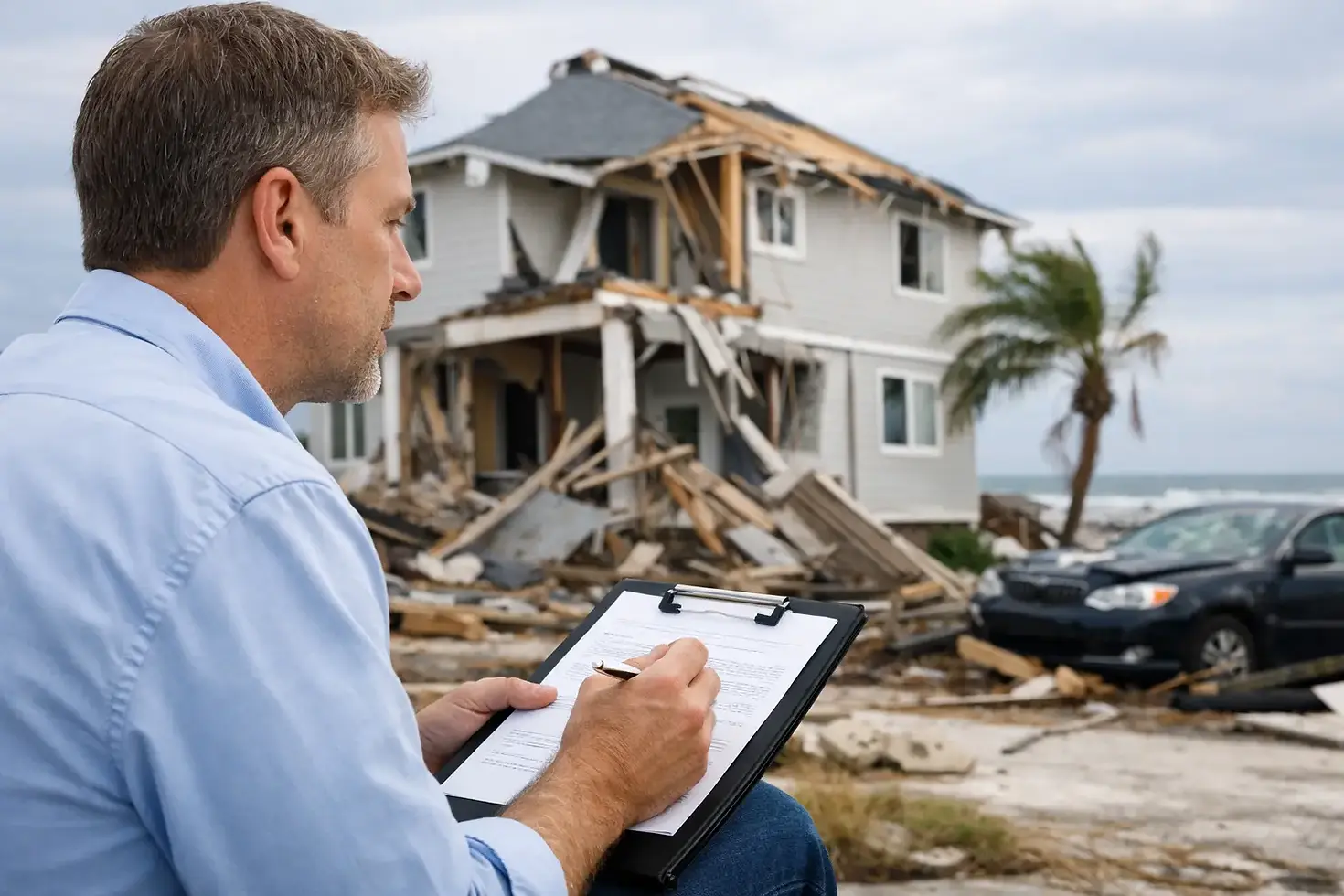
How to File Hurricane Damage Claim Right
- Darwin Umanzor
- Jun 14
- 6 min read

The first 48 hours after a hurricane can shape your entire insurance payout. If you wait too long, throw away damaged materials, or trust a quick inspection that misses hidden loss, your claim can shrink fast. If you are wondering how to file hurricane damage claim paperwork the right way, the goal is simple: protect the evidence, protect your rights, and protect the value of your recovery.
A hurricane claim is not just about a few broken shingles or visible water on the floor. Wind can loosen roofing systems without obvious signs from the ground. Rain can move through vents, flashing, soffits, and window gaps. Water can spread into insulation, drywall, flooring, cabinets, and electrical areas long before the full damage shows itself. That is why a rushed claim often becomes an underpaid claim.
How to file hurricane damage claim without hurting your case
Start with safety. If the home has structural instability, exposed wiring, gas leaks, or standing water near electrical systems, stay out until the property is safe. Your claim matters, but your family comes first.
Once it is safe, document everything before cleanup begins. Take wide photos of each exterior side of the house, the roof if visible, windows, doors, screens, fences, detached structures, and fallen trees. Then move inside and photograph every affected room from multiple angles. Capture ceilings, walls, baseboards, flooring, furniture, appliances, and personal property. If water is present, record where it entered and where it traveled.
Video helps too. Walk through the property slowly and talk through what you are seeing. Mention the date, the storm, and the areas affected. These details matter later if the damage worsens or if there is a dispute about what happened.
After documentation, take reasonable steps to prevent further damage. Tarp a compromised roof if possible. Board broken windows. Remove standing water if it can be done safely. Keep receipts for emergency repairs, tarps, drying equipment, temporary lodging, and any other storm-related expense. Most homeowners know they need to report the loss. Fewer realize they also need to build the proof.
Report the hurricane loss quickly
You should notify your insurance company as soon as practical. When you call, stick to the facts. Give the date of loss, the type of damage you have observed, and your claim contact information. Ask for the claim number and write it down. Ask what emergency mitigation steps are allowed and what documents they want first.
This first report is not the time to guess. If you are not sure whether water came from roof damage, window failure, or wind-driven rain, do not speculate. Say what you know. The full cause and scope should be determined through inspection and documentation, not assumptions made on a stressful phone call.
It also helps to start a claim file right away. Keep one folder, digital or physical, with your claim number, policy information, photos, videos, receipts, emails, letters, inspection dates, and notes from every phone conversation. If someone from the insurance company calls, write down the person’s name, the date, and what was discussed.
Review your policy before you trust the first number
A lot of homeowners make the same mistake after a storm. They assume their policy will automatically pay for everything the hurricane damaged. In reality, coverage can depend on the cause of loss, deductibles, endorsements, exclusions, and policy limits.
That is especially true in Florida, where hurricane deductibles can be much higher than standard deductibles. Some policies handle roof reimbursement differently based on age or settlement terms. Additional living expenses may apply if the home becomes unlivable, but the scope of that coverage can vary.
This is where many claims start to go wrong. A homeowner sees one visible problem, while the policy may allow recovery for much more if the damage is identified and presented correctly. Missing damage is one issue. Misreading the policy is another.
Get a thorough inspection, not a surface-level look
A hurricane inspection should be detailed. It is not enough for someone to glance at the roof edge and check a wet ceiling stain. Wind damage often shows up in lifted shingles, broken seals, displaced tiles, punctures from debris, damaged flashing, and openings around penetrations. Water damage may include soaked insulation, swelling drywall, trapped moisture behind walls, and conditions that can lead to mold.
Exterior damage can also affect interior systems. Water intrusion around windows and doors may damage framing. Roof leaks may impact attic spaces before stains appear inside the living area. Pool enclosures, fences, sheds, and detached garages may also be part of the loss.
A complete claim depends on a complete inspection. If the scope is too small at the beginning, the payout usually follows.
Build the claim with evidence that holds up
If you want to know how to file hurricane damage claim documents in a way that strengthens your position, think beyond photos alone. Strong claims usually include a clear damage inventory, repair estimates, emergency service invoices, proof of damaged contents, and records showing the timeline from storm to discovery to reporting.
For personal property, list affected items room by room. Include the item description, approximate age, and estimated replacement cost if known. Do not toss damaged property too quickly unless it creates a safety hazard. If disposal is necessary, photograph it thoroughly first.
For building damage, detail matters. “Roof leak” is weak. “Wind-lifted shingles on rear slope with resulting ceiling staining, wet insulation, and drywall damage in bedroom and hallway” is stronger because it describes cause, location, and consequence.
Insurance carriers evaluate what is documented. If hidden damage is not identified early, it may never be properly valued.
Be careful during the adjuster inspection
When the insurance adjuster visits, walk the property with them if you can. Show every area of concern, even if it seems minor. Point out rooms with odors, bubbling paint, warped flooring, or moisture spread. Mention temporary repairs and provide receipts.
Do not assume the adjuster will find everything on their own. Hurricane losses are often larger and more complex than they appear during a quick inspection. If the inspection feels rushed, incomplete, or focused only on the most obvious damage, that can become a problem later.
You should also be careful with recorded statements and broad authorizations. Answer truthfully, but keep your answers precise. If you do not know something, say so. A claim should be built on evidence, not pressure.
Watch for underpayment signs
A claim is not resolved just because an insurance company issues a payment. Many hurricane claims are paid low on the first pass. That can happen when the estimate misses roofing components, interior repairs, code-related costs, moisture remediation, or full replacement needs.
Pay close attention if the settlement amount seems too small to perform real repairs, if the estimate leaves out damaged areas you documented, or if the carrier says the damage was wear and tear without fully addressing the storm evidence. These are common pressure points in hurricane claims.
This is where strong representation can change the outcome. A public adjuster works for the homeowner, not the insurance company. That means the claim gets reviewed from your side, with a focus on uncovering the full scope of damage, interpreting the policy correctly, and pushing back when the numbers do not match the loss.
For Florida homeowners, that support matters even more after major storms, when carriers are overloaded and fast inspections can lead to short payments. Umanzor Claims handles the inspection, policy review, documentation, claim submission, and negotiation so homeowners are not left chasing paperwork while trying to recover.
What to do if damage shows up later
Hurricane damage does not always reveal itself on day one. A small roof breach can turn into visible staining weeks later. Moisture trapped behind walls can create swelling, odor, or mold. Flooring may buckle after the surface looks dry.
If new damage appears, document it immediately and notify the insurance company. Do not assume it is too late just because it was not obvious at the first inspection. The key is showing the connection between the storm event and the later-discovered conditions.
This is another reason early documentation matters so much. Photos from the days right after the storm help establish the timeline and support supplemental claims when hidden damage comes to light.
The fastest way to lose money on a hurricane claim
The biggest mistake is treating the claim like a basic form instead of a financial case. A hurricane loss can involve roofing, water intrusion, interior finishes, mold risk, code requirements, temporary repairs, living expenses, and damaged contents. If only part of that gets documented, only part of it gets paid.
The insurance company has its process. You need your own strategy. That means moving fast, documenting thoroughly, reviewing the policy carefully, and making sure the damage is valued based on what it actually takes to restore the home.
When the storm has already taken enough from you, the claim should not take more. The right next step is the one that gives your damage a fair voice from the start.


Comments