Storm Damage Insurance Claim Process
- Darwin Umanzor
- May 26
- 6 min read

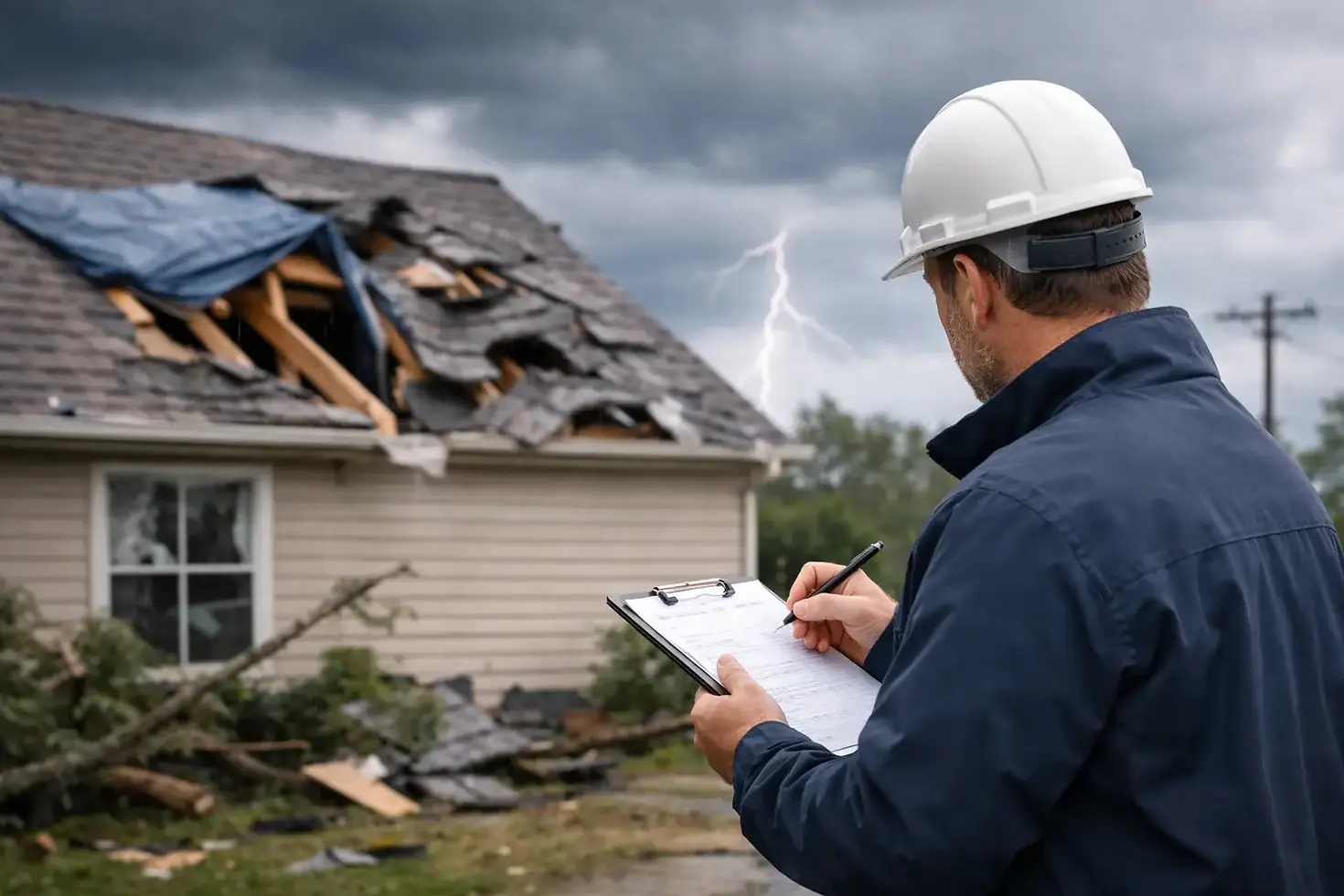
A storm hits at 2 a.m., and by sunrise you are staring at missing shingles, water stains, soaked drywall, or a fence blown flat. That is when the storm damage insurance claim process stops being a phrase and becomes a financial fight tied directly to your home, your time, and your recovery.
For many Florida homeowners, the hard part is not just the damage itself. It is the gap between what happened to your property and what the insurance company is willing to recognize, document, and pay for. Storm claims can move fast at first, then stall. Inspectors may miss damage. Adjusters may focus on what is visible while hidden water intrusion keeps spreading. If you do not control the claim early, the final number can come in far below what it actually takes to repair the home.
How the storm damage insurance claim process usually starts
The first stage is simple on paper. You report the loss, provide basic details about the date of the storm, and wait for the carrier to open the claim. Then the insurance company assigns an adjuster or inspector to evaluate the property.
This is where many homeowners assume the process will be straightforward. Sometimes it is. Often, it is not. A storm claim is not just about proving that damage exists. It is also about proving cause, scope, timing, and cost. If any one of those points is disputed, delayed, or underestimated, your payment can shrink.
Right after the storm, document everything you can safely capture. Take photos of the roof from the ground, exterior elevations, interior leaks, ceiling stains, damaged personal property, standing water, and debris. If emergency steps are needed to stop further damage, take photos before and after. Save receipts for tarping, dry-out work, and temporary repairs.
Do not wait for perfect information before taking action. Storm damage can worsen quickly, especially in Florida heat and humidity. A small roof opening can become interior water damage and mold exposure in a matter of days.
What insurance companies look for during a storm claim
Insurance carriers usually focus on a few core issues. First, they want to confirm that the damage was caused by a covered event such as wind, hail, or storm-driven water entering through a storm-created opening. Second, they evaluate how extensive the damage is. Third, they apply policy language, exclusions, deductibles, and depreciation to decide what they believe they owe.
That sounds reasonable, but the real dispute often comes down to scope. A carrier may agree that some shingles were damaged while rejecting full roof replacement. They may acknowledge a water stain on the ceiling but ignore insulation, framing, flooring, cabinetry, or moisture trapped behind walls. They may classify part of the loss as wear and tear rather than storm impact.
This is why surface-level inspections are a problem. Storm damage is not always obvious from the street. Lifted shingles, compromised underlayment, broken seals, flashing failure, attic moisture, and slow leaks can all be missed if the inspection is rushed.
Why storm claims get delayed, denied, or underpaid
A claim can go sideways for several reasons, and not all of them are dramatic. Some are as simple as incomplete photos, vague reporting, or an inspection that happens before all damage is visible. Others involve policy interpretation and pricing disputes.
One common issue is late-emerging damage. After a storm, the first signs may look minor. A week later, the drywall bubbles. Two weeks later, flooring buckles and mold starts to show. If the original claim file was narrow, expanding it later can become a fight.
Another issue is under-scoping. The insurance estimate may include patchwork while leaving out code-related items, overhead and profit, detach and reset work, matching issues, or the full interior repairs needed to return the property to pre-loss condition. The homeowner sees a large repair need. The insurer presents a much smaller number. That gap is where many families get stuck.
There is also the pressure of time. Carriers request documents, schedule inspections, ask for statements, and issue partial decisions on their own timeline. Meanwhile, you are trying to protect the home, manage contractors, and keep daily life moving. The longer the process drags, the more stressful it becomes.
Storm damage insurance claim process step by step
The storm damage insurance claim process works best when every stage is handled with evidence, detail, and pressure. First, the loss is reported and the claim is opened. Then the property is inspected and the visible damage is recorded.
After that, the real work begins. The damage must be evaluated thoroughly, not casually. That means reviewing the roof system, exterior components, interior finishes, moisture spread, and related areas that may have been affected by wind or water intrusion. It also means reviewing the insurance policy itself. Coverage is shaped by the policy language, endorsements, exclusions, and deductible structure, not just by what an adjuster says during one visit.
Once the damage is documented, the claim package should present a clear position. That includes photos, measurements, line-item estimates, repair needs, and supporting evidence tying the damage to the storm event. If the carrier responds with a low estimate, partial approval, or denial, the next move is negotiation backed by stronger documentation.
This is the point where homeowners often realize the claim is not administrative. It is adversarial. You are not simply submitting paperwork. You are defending the full value of your loss.
What you should do before the insurance inspection
Prepare as if the first inspection will shape the entire claim, because it often does. Make a written list of every area of concern, even if it seems small. Include active leaks, ceiling spots, cracked tiles, peeling paint, soft drywall, damaged screens, dented gutters, fallen fencing, and anything else that changed after the storm.
If rooms smell damp, note that too. Odor can point to hidden moisture. If the attic has signs of water entry, photograph those areas carefully and safely. If contractors or roofers have already identified problems, keep their notes, photos, and proposals organized.
Most important, do not assume the inspector will find everything on their own. Their inspection may be brief. Their job is not the same as building your claim for maximum recovery.
Why full documentation changes the payout
Insurance companies pay based on what is documented, supported, and tied to the policy. They do not pay based on your frustration level or the fact that repairs are clearly expensive. If the file is weak, the payment tends to be weak.
Strong documentation does two things. It proves the damage is real and it expands the recognized scope of loss. That matters on roof claims, interior water damage claims, and mixed losses where wind and water affected several parts of the property at once.
This is where experienced claim management makes a major difference. A proper inspection looks beyond the obvious. A proper estimate reflects real repair costs. A proper negotiation does not stop at the carrier's first number.
For homeowners dealing with denied or underpaid storm claims, that level of advocacy is often the difference between patching the problem and actually restoring the property. Umanzor Claims is built around that fight. The goal is not to push paper. The goal is to push the claim toward a fair result.
What happens if the insurance company pays too little
This is more common than many homeowners expect. The carrier issues a check, and at first it feels like progress. Then the contractor estimate comes in higher. More damage is uncovered. Materials cost more than expected. Interior repairs grow once walls are opened.
A low initial payment does not always reflect the true value of the claim. It may reflect a limited inspection, incomplete estimate, or narrow reading of the damage. When that happens, the claim needs to be challenged with better evidence and a stronger valuation.
It depends on the facts. Some underpayments are resolved by supplementing the claim with missing items and updated estimates. Others require a more aggressive dispute posture because the carrier is standing by a position that does not match the damage.
The key is not to treat the insurer's first payment as the final truth. It is often just the insurer's opening number.
The biggest mistake homeowners make after a storm
The biggest mistake is waiting too long to take control of the claim. Not because every case turns into a battle, but because every day of delay gives the damage more time to spread and the file more time to harden around an incomplete story.
Storm claims are won with speed, evidence, and pressure. The sooner the damage is inspected correctly, the easier it is to connect the loss to the storm, prove the full scope, and challenge low valuations before they settle into place.
If your roof was hit, your home took on water, or your insurer is moving too slowly or paying too little, treat the claim like what it is - a financial recovery process that needs real advocacy. The right help does more than reduce stress. It protects the money you need to put your home back together.



Comments